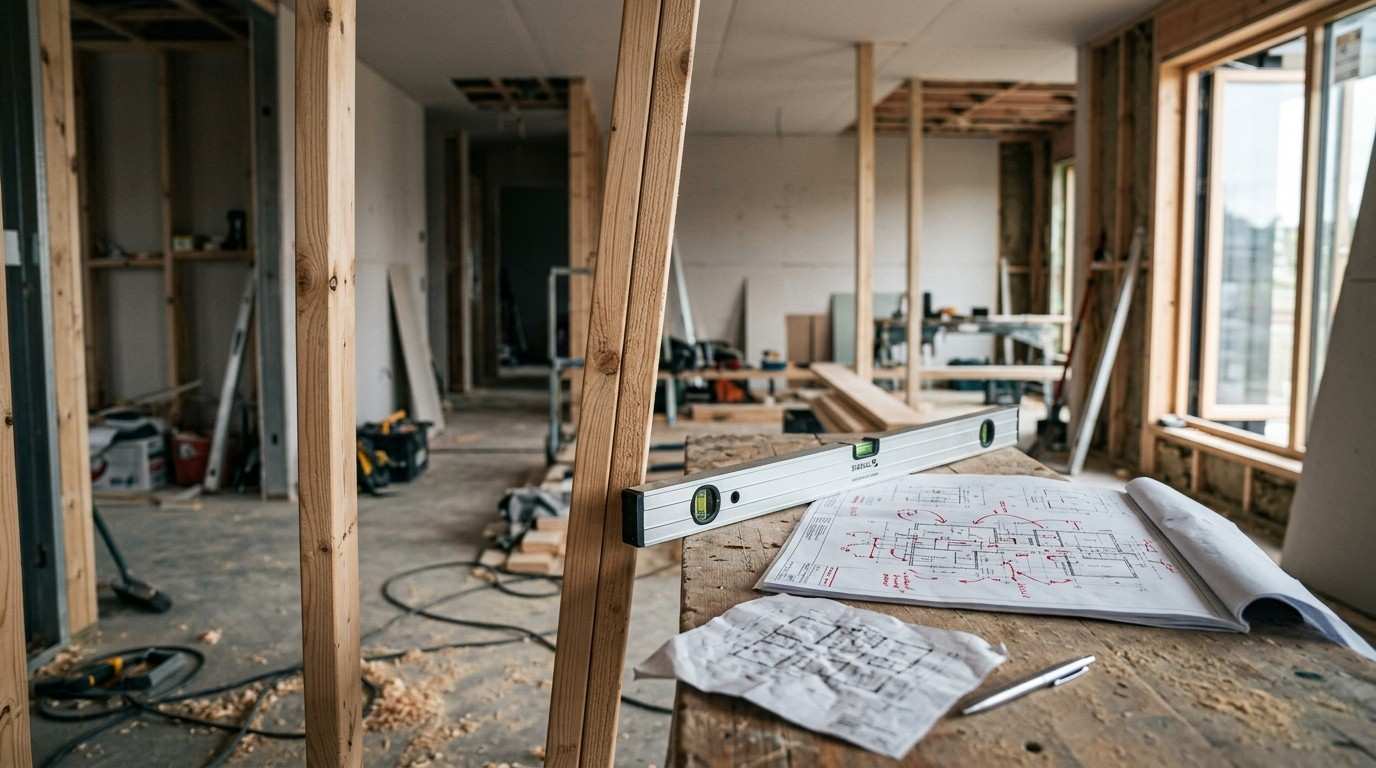
Hiring a General Contractor is one of the most important decisions you’ll make for any construction, remodeling, or renovation project. Whether you’re planning a kitchen upgrade, building a custom home, adding extra living space, or renovating a commercial property, the contractor you choose will directly impact your budget, timeline, and final results.
Unfortunately, many homeowners and property owners make avoidable mistakes during the hiring process. These errors can lead to project delays, unexpected costs, poor workmanship, legal issues, and significant stress. A qualified Licensed General Contractor brings expertise in Construction Management, project coordination, budgeting, scheduling, and quality control, helping ensure your project runs smoothly from start to finish.
In this guide, we’ll cover the 10 most costly mistakes to avoid when hiring a contractor and explain how to find a trustworthy professional who can deliver outstanding results.
1. Hiring Based on Price Alone
One of the biggest mistakes property owners make is selecting the lowest bid without evaluating the contractor’s qualifications.
While affordability matters, an unusually low estimate may indicate:
- Inferior materials
- Inexperienced labor
- Hidden costs
- Incomplete project planning
- Lack of proper permits
A Professional General Contractor provides transparent pricing and explains exactly what is included in the proposal. Rather than searching solely for an Affordable General Contractor, focus on overall value, experience, and reputation.
2. Failing to Verify Licensing and Insurance
Always confirm that your contractor is a Licensed General Contractor and carries appropriate insurance coverage.
A properly licensed contractor demonstrates compliance with state regulations and industry standards. Insurance protects both the contractor and property owner from liability related to accidents, injuries, or property damage.
When evaluating candidates, ask for proof of:
- General liability insurance
- Workers’ compensation insurance
- Contractor licensing
- Bonding (if applicable)
Working with a Licensed and Insured General Contractor significantly reduces risk throughout the project.
3. Not Checking References and Reviews
Online reviews and client references provide valuable insight into a contractor’s reliability and workmanship.
Before hiring any Construction Contractor or Building Contractor, ask for:
- Recent project references
- Before-and-after photos
- Customer testimonials
- Online review profiles
Reviewing Construction Contractor Reviews can help identify recurring issues or highlight consistent strengths.
4. Skipping the Written Contract
Verbal agreements often lead to misunderstandings.
Every project should include a comprehensive written contract covering:
Project Scope
The agreement should clearly define all Construction Services, materials, labor responsibilities, and deliverables.
Timeline
Include start dates, milestones, and completion deadlines.
Payment Terms
Document payment schedules and change-order procedures.
A detailed contract protects both parties and establishes accountability throughout the project.
5. Ignoring Relevant Experience
Not all contractors specialize in the same types of projects.
For example:
- A Kitchen Remodeling Contractor may not be the best fit for a large commercial build.
- A Commercial Builder may not specialize in custom residential construction.
- A Bathroom Remodeling Contractor may not have experience with structural additions.
Choose a contractor whose portfolio aligns with your specific project type.
Residential Projects
Look for experience as a:
- Residential General Contractor
- Home Builder
- Custom Home Builder
- Home Remodeling Contractor
- Home Addition Contractor
- House Renovation Contractor
- Home Improvement Contractor
Commercial Projects
Seek a contractor with expertise as a:
- Commercial General Contractor
- Commercial Construction Company
- Office Construction Contractor
- Retail Construction Contractor
- Industrial Construction Contractor
- Commercial Renovation Contractor
- Tenant Improvement Contractor
6. Not Understanding Project Management Processes
Successful construction projects rely heavily on proper Construction Project Management.
An experienced contractor should provide clear processes for:
- Scheduling
- Budget tracking
- Material procurement
- Quality control
- Subcontractor coordination
- Permit management
Strong Construction Management practices help prevent delays and cost overruns.
Many leading contractors also offer:
- Construction Planning Services
- Building Project Management
- Construction Consulting
- Construction Solutions
7. Paying Too Much Upfront
Large upfront payments create unnecessary financial risk.
A reputable Prime Contractor or General Contracting Services provider typically uses milestone-based payment schedules tied to project progress.
Reasonable payment structures often include:
- Initial deposit
- Progress payments
- Final payment upon completion
Avoid contractors requesting excessive payment before work begins.
8. Overlooking Communication Skills
Poor communication can derail even well-planned projects.
Your contractor should:
- Respond promptly
- Provide regular updates
- Explain challenges clearly
- Offer realistic timelines
Whether you’re hiring a General Contractor for Home Renovation or a General Contractor for Office Renovation, communication is essential for project success.
9. Failing to Compare Multiple Estimates
Obtaining only one proposal limits your ability to evaluate pricing and services.
Request at least three estimates and compare:
- Scope of work
- Materials
- Project timelines
- Warranty coverage
- Payment schedules
A detailed General Contractor Estimate or General Contractor Quote helps you make an informed decision.
Comparing multiple contractors also improves your understanding of current Construction Contractor Pricing in your area.
10. Choosing a Contractor Without a Detailed Scope of Work
A vague proposal often results in unexpected expenses and disputes.
Your contractor should provide detailed documentation covering:
- Site preparation
- Materials
- Labor requirements
- Permits
- Inspections
- Cleanup
This is especially important for:
- New Home Construction
- Residential Construction Services
- Commercial Remodeling Services
- General Contractor for Building Additions
- General Contractor for New Home Construction
A clearly defined scope establishes expectations and minimizes surprises.
Why Working With a Professional General Contractor Matters
A skilled contractor serves as the central coordinator for your project, overseeing:
- Site Development Contractor activities
- Excavation Contractor work
- Framing Contractor scheduling
- Drywall Contractor installation
- Flooring Contractor coordination
- Painting Contractor completion work
- Roofing Contractor services
- Concrete Contractor operations
- Masonry Contractor construction
- Demolition Contractor preparation
This integrated approach improves efficiency, quality, and project outcomes.
Frequently Asked Questions
What Does a General Contractor Do?
A General Contractor manages all aspects of a construction project, including planning, scheduling, subcontractor coordination, budgeting, permits, and quality control.
How to Choose a General Contractor?
Look for a Licensed General Contractor with relevant experience, strong references, positive reviews, detailed estimates, and effective communication practices.
Should I Hire a Local General Contractor?
Yes. A Local General Contractor often has established relationships with suppliers, inspectors, and subcontractors, helping projects move more efficiently.
How Much Does a General Contractor Cost?
Costs vary depending on project size, complexity, location, materials, and labor requirements. Request a detailed General Contractor Consultation and estimate for accurate pricing.
Is It Better to Hire a Design Build Contractor?
A Design Build Contractor can streamline project delivery by managing both design and construction under a single contract, improving coordination and accountability.
How Do I Find the Best General Contractor Near Me?
Research credentials, compare estimates, review portfolios, and check customer feedback when searching for the Best General Contractor Near Me, Residential Contractor Near Me, Commercial Contractor Near Me, or Construction Company Near Me.
Conclusion
Choosing the right contractor can mean the difference between a successful project and a costly experience. By avoiding these common mistakes, property owners can protect their investments, reduce stress, and achieve better construction outcomes. Whether you’re planning a home renovation, room addition, custom home build, or commercial improvement project, taking time to properly vet your contractor is one of the smartest decisions you can make.
At BLC Remodeling, we provide professional remodeling, renovation, and construction expertise backed by quality craftsmanship, transparent communication, and customer-focused service. If you’re looking to Hire General Contractor professionals for your next project, contact our team today for a personalized consultation and project estimate.
Leave a Reply